
Introduction
Lash extension retention is one of the most important factors for both lash artists and clients. Poor retention not only affects the final look, but also leads to frequent refills, higher costs, and lower client satisfaction.
In reality, lash retention is influenced by multiple stages — before, during, and after application. From natural lash condition to adhesive performance and daily aftercare, every detail plays a role.
In this guide, we'll break down what affects lash extension retention and how to keep lash extensions longer, with practical solutions for both lash artists and clients.
How Long Do Lash Extensions Last
On average, lash extensions last 3 to 4 weeks, depending on several factors such as natural lash cycles, adhesive quality, application technique, and aftercare habits.
With proper application and maintenance, retention can extend to 4–6 weeks. However, in poor conditions, some clients may experience shedding within just a few days.
Understanding the reasons behind retention issues is the first step to improving them.
Quick Summary: Key Factors That Affect Lash Retention
·Natural lash growth cycle
·Lash health and oil levels
·Proper cleansing before application
·Temperature and humidity
·Adhesive quality and freshness
·Application technique
·Aftercare routine
1. Natural Lash Conditions
Lash Growth Cycle
Natural lashes follow a growth cycle, typically lasting 4–6 weeks. As lashes shed naturally, extensions attached to them will fall out as well.
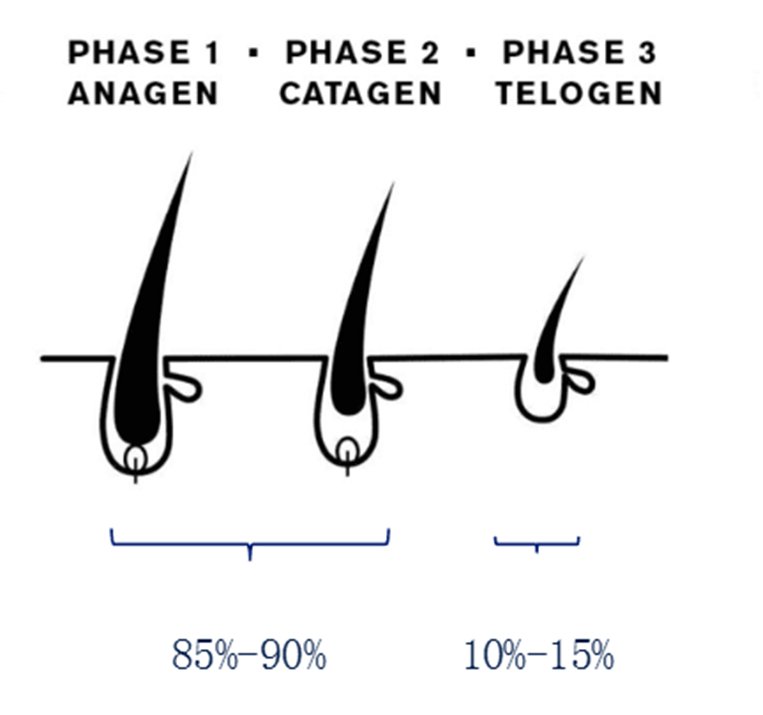
Factors such as metabolism, stress, hormones, and overall health can accelerate this cycle, leading to faster lash loss.
Lash Health
The condition of natural lashes directly affects retention.
Common issues include:
·Oily lashes (excess sebum)
·Weak or thin lashes
·Dry, brittle lashes with low flexibility
Maintaining a healthy lifestyle helps, but in many cases, professional preparation and product support are also necessary.
2. Application Process & Environment
2.1 Insufficient Lash Cleansing
Poor cleansing is one of the main causes of poor retention.
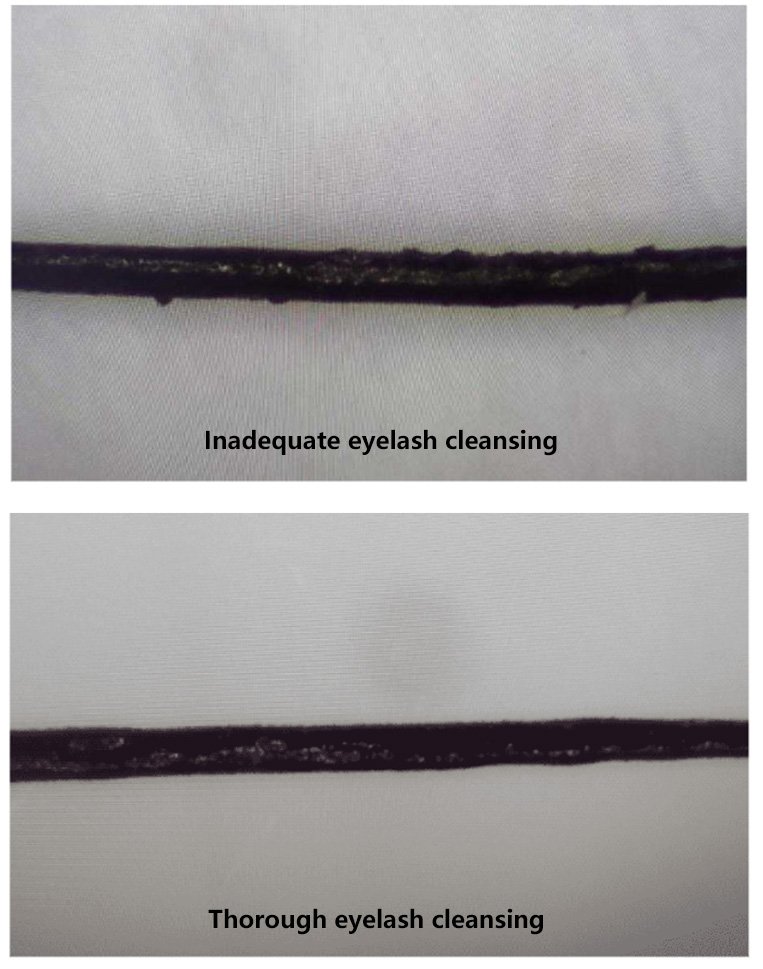
Residues such as:
·Oil
·Dust
·Makeup
·Mascara
can prevent proper bonding between the natural lash and extension.
Solution:
·Use a gentle but effective lash foam cleanser before application.
·For clients with oily lashes, a second cleansing step using a liquid lash cleanser is recommended to ensure a completely clean surface.
2.2 Temperature, Humidity & Working Environment
Lash adhesive performance is extremely sensitive to the working environment. Even if your technique is perfect, incorrect temperature or humidity alone can ruin retention.
When the environment is too hot or too humid, the adhesive begins curing before it has fully wrapped around both the natural lash and the extension. This results in weak bonding, even if the placement looks correct at first.
On the other hand, when the environment is too cold or too dry, the adhesive cures too slowly. During this time, the extension can shift on the natural lash, leading to unstable attachment and early fallout.
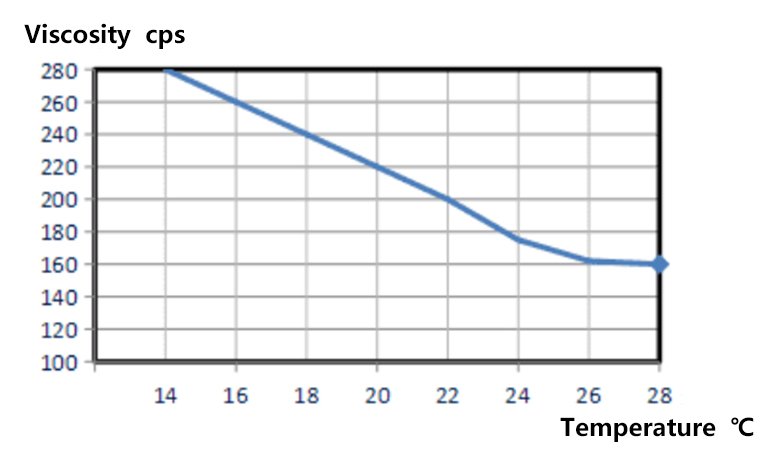
In practice, this creates several common issues:
·Low humidity → slow drying, weak bonding
·High humidity → overly fast curing, whitening, brittleness
·Low temperature → adhesive becomes thick, reaction slows down
·High temperature → curing accelerates, bond becomes fragile
In addition, direct airflow from fans or air conditioning can disturb the curing process, preventing the adhesive from forming a stable bond.
This is why controlling your salon environment is not optional — it is essential for consistent retention.
2.3 pH Balance (A Critical but Often Overlooked Factor)
Lash adhesive is alkaline-reactive and highly sensitive to acidic conditions.
For proper curing, the adhesive needs to interact with a slightly alkaline surface or moisture in the air. When this balance is disrupted, retention problems appear immediately.
Both the working environment and the client's natural lash condition (especially oily or acidic skin types) can affect this balance.
Here's how different pH levels impact performance:
·Acidic environment
→ extremely slow curing
→ weak bonding strength
→ whitening (blooming)
→ brittle bond over time
→ lashes fall out quickly
·Neutral to slightly alkaline
→ even curing
→ strong, flexible bonding
→ best retention performance
·Strong alkaline conditions
→ instant curing
→ stringing or clumping
→ adhesive hardens before proper attachment
→ lashes fall off easily
This is why some sets look fine immediately after application, but start shedding heavily within days — the bonding environment was not balanced from the beginning.
2.4 Adhesive Storage (Hidden Cause of Retention Problems)
Even if your environment and technique are correct, poor adhesive storage can silently destroy retention.
Lash adhesive is highly reactive and sensitive to external conditions:
·Heat, sunlight, and humidity accelerate degradation
·Frequent opening allows air to enter and start premature curing
·After opening, performance typically declines after 30–45 days
Using expired or improperly stored adhesive can lead to:
·weak bonding
·inconsistent curing
·increased risk of irritation
In many cases, lash artists blame technique, but the real issue is simply adhesive that is no longer performing at its peak.
How to Control & Adjust Your Environment
To achieve stable retention, lash artists must actively monitor and adjust their working conditions, not just rely on technique.Choosing the right adhesive is equally important. Using a stable, professional-grade lash glue wholesale can significantly improve retention consistency across different environments.
1. Match Adhesive to Environment
·Humid conditions (more acidic)
→ use faster-drying adhesive or dehumidifier
·Dry conditions (more alkaline)
→ use slower-drying adhesive or humidifier
2. Use Adaptive Products
Choosing an adhesive with a wider working range can reduce instability.
For example, adhesives designed for all-weather performance can remain stable within:
·25%–75% humidity
·18–28°C (64.4–82.4℉)
This greatly reduces sensitivity to environmental fluctuations.
To reduce instability caused by environmental fluctuations, many professionals choose adaptive adhesives such as those developed by Mega Beauty Lashes, designed to maintain consistent performance across a wider range of temperature and humidity conditions.
3. Use Lash Booster for Surface Preparation
Applying a lash booster before application can:
·temporarily adjust the pH level of natural lashes
·soften and increase lash flexibility
·improve adhesive spread and bonding
This is especially effective in low temperature or low humidity conditions, where bonding is typically weaker.
4. Refresh Adhesive Frequently
In high temperature and high humidity environments, adhesive reacts faster even on the palette.
It is recommended to replace the glue drop every 15–20 minutes to maintain optimal performance.
3. Application Technique
Even under perfect environmental conditions, poor application technique alone can significantly reduce lash retention.
In most cases, retention issues are not caused by a single mistake, but by small technical details that accumulate during the process.
Incorrect Glue Amount
The amount of adhesive used directly determines how strong and stable the bond will be.
·Too little adhesive
→ insufficient coverage between the natural lash and extension
→ weak bonding
→ extensions fall off easily
·Too much adhesive
→ clumping at the base
→ whitening
→ increased irritation risk
→ brittle bond that breaks more easily
The ideal glue amount should create a thin, even coating that fully wraps the natural lash without excess buildup.
Poor Placement & Attachment
Accurate placement is just as important as adhesive quality.
Common issues include:
·Not attaching within 1–1.5 mm from the natural lash root
·Misalignment between the extension and the natural lash
·Incomplete contact at the base (floating or lifted attachment)
When the extension is not properly aligned or fully attached, the bonding surface is reduced, making the connection unstable and more likely to fail.
Even if the adhesive is strong, poor attachment will always lead to poor retention.
Technique Optimization & Professional Support
Improving retention requires consistent practice, but relying on technique alone is often not enough.
Professional products can significantly enhance bonding performance and consistency.
Primer
Applied directly to the false lashes (lash extensions), primer works by slightly etching and breaking down the smooth surface of the lash fiber.
This micro-level surface change increases the wettability of the adhesive, allowing it to spread more evenly and fully penetrate the lash surface. As a result, the bonding area is improved, leading to stronger and more stable adhesion.
In simple terms, primer helps the adhesive “grip” the extension better, instead of sitting on a smooth surface.
Booster
Booster is applied to enhance the flow and spreadability of the adhesive during application.
It improves the adhesive’s extension (flow performance), allowing it to glide more smoothly along the natural lash and form a more even, controlled bond without excess buildup.
This results in:
·smoother application
·better wrapping around the natural lash
·improved contact between natural lash and extension
Especially useful when the adhesive feels too thick or difficult to control, helping achieve a cleaner and more precise attachment.
In professional practice, using a well-matched product system — such as the primer and booster solutions offered by Mega Beauty Lashes — can significantly improve application consistency and overall retention results.
1.First 24 Hours Are Critical
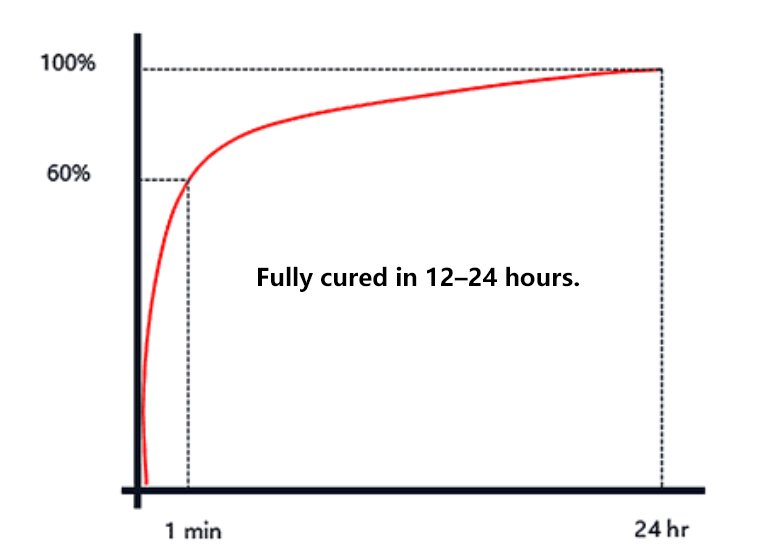
The first 24 hours after application play a crucial role in lash retention, as the adhesive is still in the early curing stage and has not yet reached full stability.
During this period, exposure to certain conditions can significantly weaken the bond.
Avoid:
·Water contact
·Steam (sauna, hot baths, hot showers)
·Excessive sweating
These factors combine to create a high-risk environment for adhesive breakdown:
Water + heat + mildly acidic conditions = accelerated adhesive hydrolysis
This means the adhesive begins to break down before it has fully cured, leading to weakened bonding and premature lash loss.
Professional Solution: Use a Super Bonder
In addition to advising clients to avoid these conditions, lash artists can take an extra step immediately after application by using an alcohol-free super bonder.
A high-quality super bonder can:
·complete the adhesive curing process within approximately 3 minutes
·reduce the release of fumes during curing, lowering the risk of irritation and sensitivity
·stabilize the bond early, making lashes more resistant to water, heat, and environmental exposure
By accelerating curing and sealing the adhesive, super bonder helps minimize early-stage retention loss and improves overall client experience.
2.Daily Care Routine
2.1. Use the Right Cleansers
Avoid:
·Soap-based cleansers
·Oil-based removers
·Strong alkaline products
Use:
·Oil-free, gentle lash cleansers
·pH-balanced products (6.5–7.5)
2.2. Avoid Acidic Skincare Contact
Keep products containing:
·AHA / BHA
·Retinol
·High-dose Vitamin C
away from lash roots.
2.3. Control Oil, Sweat & Tears
Oil + water + acidity = adhesive breakdown
·Use lightweight eye creams
·Gently dry lashes after sweating or crying
·Avoid rubbing
2.4. Do Not Rub or Pull
Mechanical force + acidic environment = instant bond damage
2.5. Avoid Sleeping on Your Side
Side sleeping creates constant pressure and friction on lashes, causing:
·Premature shedding
·Lash distortion
Sleeping on your back helps maintain lash shape and retention.
2.6. Use Lash Sealant Daily
Applying a lash sealant (lash seal) at home can:
·Reinforce adhesive bonding
·Protect against oil, moisture, and environmental damage
·Extend retention significantly
Daily use is highly recommended, especially for clients with oily skin or active lifestyles.
Pro Solutions to Improve Lash Retention (For Lash Artists & Brands)
For professionals, improving retention is not just about technique — it's about building a complete retention system:
·Stable, adaptable adhesive for different environments
·Pre-treatment products (cleanser, primer, booster)
·Post-treatment solutions (super bonder, lash seal)
·Consistent product quality for predictable results
For lash brands and salons, working with a reliable manufacturer ensures:
·Stable adhesive performance
·Customizable formulas
·Consistent production quality
·Scalable supply for growing demand
For example, working with experienced manufacturers like Mega Beauty Lashes allows lash brands and salons to access stable formulations, customizable solutions, and a complete retention system tailored to different market needs.
FAQ
Why do lash extensions fall out quickly?
Common reasons include poor cleansing, incorrect humidity, weak adhesive, or improper aftercare.
Can oily skin affect lash retention?
Yes. Oil breaks down adhesive over time, leading to faster shedding.
Does humidity really matter?
Absolutely. Both high and low humidity can negatively impact adhesive curing and retention.
Conclusion
Lash extension retention is influenced by a combination of natural factors, application conditions, technique, and aftercare.
By understanding each stage and applying the right solutions, lash artists and clients can significantly improve retention and achieve longer-lasting, more stable results.
[1] The Lash Professional. (n.d.). Answering All Your Lash Retention FAQs.
[2] Lashes by Shigeru. (n.d.). How Lifestyle Affects Your Lash Retention.
[3] Industry sources on lash adhesive performance and environmental factors.
No.18 B, Laoshan Road, Laoshan District, Qingdao City,Shandong Province
Copyright © 2025 Qingdao Mega Beauty Lashes Co., Ltd. All Rights Reserved.
